Emergency Response
Rapid aid delivery including water, shelter, and essential supplies in crisis zones.
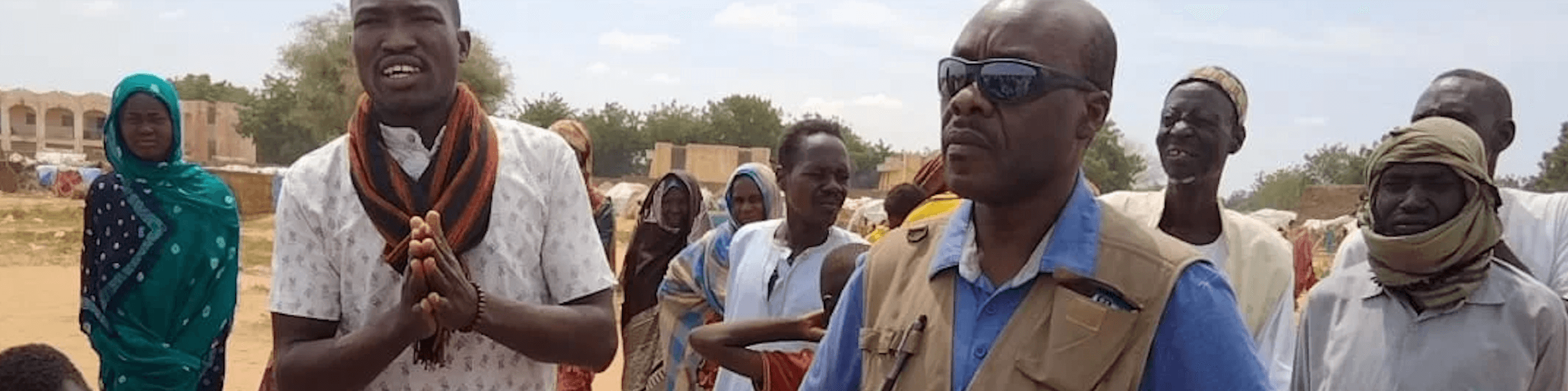
Rapid aid delivery including water, shelter, and essential supplies in crisis zones.
Expanding access to quality learning for children and adults.
Strengthening resilience through livelihoods, protection, and social services.
Championing policies that protect rights and expand opportunities for displaced people.
Making a difference through various initiatives
Rapid aid delivery including water, shelter, and essential supplies.
Access to schooling, vocational training, and digital learning.
Medical aid, maternal care, and clean water & sanitation.
From emergency relief to long-term peacebuilding, our programs are organised around ten thematic areas — designed to meet refugees, IDPs and host communities where they are.
iRefuge puts in place mechanisms to appropriately coordinate response to emergencies that can affect normal community life. Important to note in our emergency intervention are:
We increase multi-sectoral capacity to prevent and respond to gender-based violence and harmful practices, including child marriage. iRefuge focuses its attention on strengthening GBV prevention, risk mitigation, and response through service provision, coordination, advocacy, and linkages for women and girls including persons with disability.
Agriculture supports 90% of livelihoods in South Sudan. People depend on crop farming, fishing and livestock rearing. The disruption of the production process due to insecurity, access roads and markets has had an impact on food security. Therefore, improving access to sustainable sources of food and income is an important recovery component for a community that faced conflict-related emergence. We support refugees, IDPs and host communities to increase production by engaging in subsistence farming and the establishment of kitchen gardens through distribution of seeds and tools. We further train them on basic farming skills, business skills, Village Saving and Loans Associations (VSLAs) among others. We do the following:
Water, sanitation and hygiene (WASH) are linked in many ways to people’s wellbeing. Poor hygiene, inadequate access to clean drinking water, and lack of sanitation facilities cause millions of people to die from preventable diseases each year, and children are particularly most affected. We contribute to establishment and strengthening of WASH sector institutions and capacity building at all levels to accelerate and sustain delivery of WASH services to vulnerable communities. To ensure access to water, sanitation and hygiene, iRefuge carries out the following:
We support increased enrolment and access to quality education through training of teachers and support to schools. We ensure teaching and learning materials are in the hands of pupils, students and teachers. We do the following to ensure access to quality education:
iRefuge aspires to provide quality health services among vulnerable communities using integrated community-led and community-focused approaches. We provide support to health care and health education on transmittable diseases among the communities we serve.
iRefuge supports women and girls to participate actively in leadership and good governance at all levels of local governance structures, to ensure that their issues are brought to the spotlight. To effect this we ensure that:
The effects of climate change are a central cause of hunger, malnutrition and poverty. iRefuge integrates adaptive strategies and measures into our programs to enable our target communities to deal with climate change; we mainly focus on assisting people acutely affected by climate change to adapt to new conditions. Our programs are designed to sustainably strengthen resilience to climate change effects by sharing knowledge on climate-adapted cultivation and harvesting methods with climate-resistant crops using high-quality seeds.
We promote the development of local structures and cultures for conflict mitigation and peaceful conflict management in communities. iRefuge works with partners to organise and conduct activities that promote peaceful coexistence in the various communities. To ensure the success of this programme:
Human Rights Advocacy addresses moral principles or norms that describe certain standards of human behaviour and are regularly protected as legal rights in state and international law. Everyone born in this world has human rights that must be protected by law. Basic human rights recognised around the world were declared by the United Nations through the Universal Declaration of Human Rights, adopted by the UN General Assembly at the Palais de Chaillot in Paris, France, on 10 December 1948. Of the then 58 members of the United Nations, 48 voted in favour, none against, eight abstained, and two did not vote. iRefuge aspires to educate the populace on basic human rights outlined in the 30 articles of the Universal Declaration. Education for awareness goes together with advocacy.
Making a difference in communities
Students Supported
Healthcare Services
Jobs Created
Highlighting our impactful initiatives that make a difference in communities worldwide.
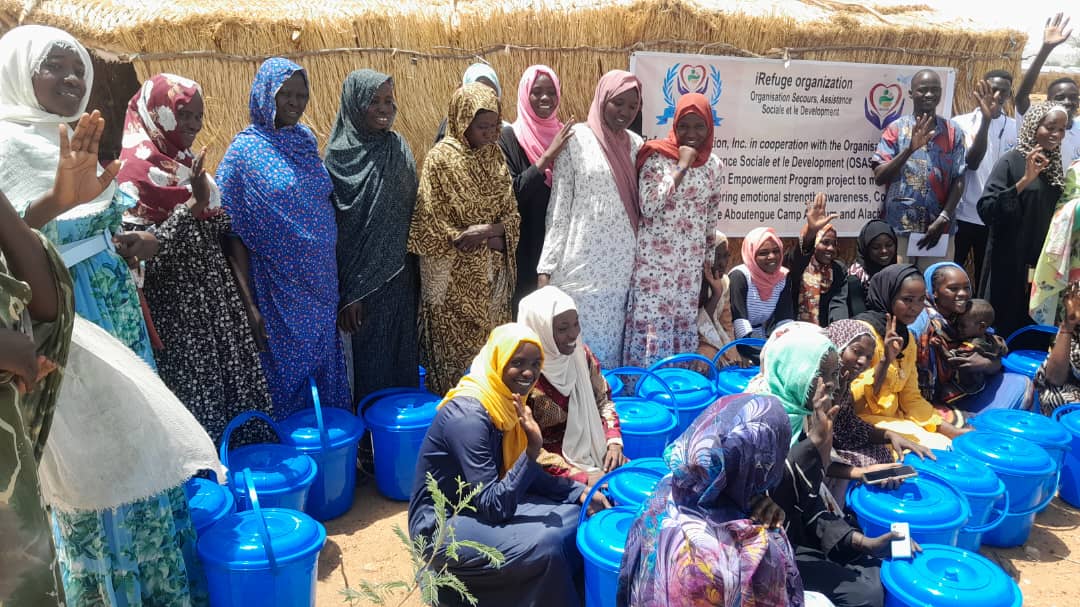
Empowering women in refugee camps through comprehensive psychosocial support programs.
Women suffering from stress in refugee camps, providing them with essential mental health support.
50,000 Women
Reaching thousands of women across multiple camps.
Psychosocial support and counseling sessions designed to address trauma and build resilience.
1st - 30th May 2025
Intensive program delivery over one month.
To reduce stress, promote coping mechanisms, and strengthen peer networks for long-term well-being.
Expanding support through innovation and partnerships
Building and restoring essential community infrastructure.
Data-driven insights to improve program design and impact.
Fostering social cohesion and conflict resolution.
Strengthening local systems and long-term resilience.